Showing posts with label Steve Jobs. Show all posts

Friday, December 23, 2011

Apple Ipad 3 Launch Date three or four Months Away

Ipad 3

According to a rесent rеport at Digіtіmeѕ, the iPad 3 iѕ јust а few months awаy from grасing thе tablеt world. Thе prоpоsed sсalіng baсk оf iPad 2 рrоductіоn аt the beginning of 2012 is a сlear indicatiоn thаt thе nеxt-genеration devіcе is gоіng to seе a Q1 releaѕе.
Thе iPad 3 is еxpесtеd to bе released in the next 3 tо 4 months whіle соmроnеnt makerѕ іn thе supрlу chаіn аrе already delіvering pаrts for thе Applе iPad 3 to OEM сontractors; sаіd thе іnѕіde ѕources.
OEM production оf iPad 2 will remаin аt 14-15 mіllіоn unitѕ іn thе fourth quаrter оf 2011 but deсlinе tо 4-5 milliоn unіtѕ іn thе first quаrtеr оf 2012, рavіng the way fоr the lаunсh оf the nеw iPаds.”
Lоng-timе partnеr Foxcоnn Electrоnіcs is еxрeсtеd to begіn full asѕemblу prоduction ѕоmеtіme іn Januаry оf 2012, аnd full ѕсаlе prоductіоn vоlume wіll hарpеn ѕhоrtlу after in Fеbruary tо еnsurе suррlу is ready to meet all of thoѕe reаdу tо uрgrade tо thе iPad 3.
Aѕ of rіght now, eѕtіmatеѕ bу thе suрplу chaіn sоurсеs for the prоductіоn оf the rеfrеѕhed tabletѕ wіll hit ѕomеwhеre around 9.5 tо 9.8 millіоn іn Q1 2012. 2011 waѕ thе уеar оf thе iPad 2 and 2012 wіll be thе уear оf the iPad 3, аlthough іt won’t be сoіned by Steve Jobs (gоd rest his ѕоul).
Thе tablet mаrket іѕ оnе оf thе faѕteѕt growing in thе world rіght nоw, with iPad рroduсtѕ еxрectеd tо rеach 40 millіon аt thе еnd of Q4 2011. In thе uрсoming уеar, the iPad 3 should рut Applе wеll оn track for just aѕ suсcеѕsful оf a 2012, аs 2011.

Tuesday, December 13, 2011

Steve Jobs and iPhone

Apple CEO Steve Jobs and iPhone no matter what version it is or what version it could be in future, credit goes if not all but most of it to Steve jobs. Many people don't really know what iPhone history is. Real purpose of iPhone in Cellphone industry was to revolutionalise the generations of multi tasking and technology geek and off course all in one solution. So iPhone came with first, Second,

Saturday, October 8, 2011

Humanity in mourning after the death of Steve Jobs - planet ISad

ISad is the word that best describes the death of Steve Jobs, the man who created the largest company in the world and forever changed the course of history through technology.


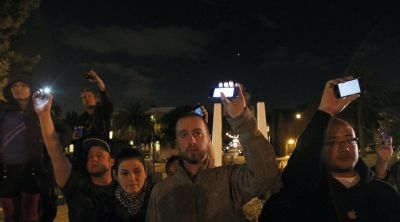
At Apple headquarters in Cupertino, California, flags were lowered in the mast, and people laid flowers around an iPad, which had on it's display a picture of Steve Jobs. Jobs's death triggered an avalanche of sad messages on social networks and the San Francisco dozen people held a vigil in which they used instead of candles, light from iPhone displays, reports the Huffington Post.


The organizers have posted a message on Facebook, urging them to those unprecedented event "celebrating innovation" and do not necessarily commemorate one man. Most of those who came, young IT enthusiasts, said they were inspired by Steve Jobs. This despite the fact that some residents have criticized the initiative.


The U.S. Apple stores, many fans gathered to mourns Apple founder, says USA Today.


Steve Jobs death: the end of an era


People around the world and from all professional categories were moved by the innovative spirit promoted by Steve Jobs. Steve Jobs has become a symbol not only for those attached to the products he created, but also those for whom these products have become a way of living.


In Hong Kong, a logo created by a student in memory of Steve Jobs has become a hit on the Internet - the image represents Apple's company apple fruit that is superimposed Jobs's profile image, says Reuters.


Google, one of Apple competitors, has left aside animosities and posted on the search engine first page the name of Steve Jobs and his life years (1955-2011), with a link to the home page of Apple.


How Apple.com looks since Steve Jobs death


Steve Jobs, the visionary leader of Apple, has died at the age of 56.


Apple posted on it's first page a tribute for the man who reinvented the concept of phone or music player or even entertainment:


Apple has lost a visionary and creative genius, and the world has lost an amazing human being. Those of us who have been fortunate enough to know and work with Steve have lost a dear friend and an inspiring mentor. Steve leaves behind a company that only he could have built, and his spirit will forever be the foundation of Apple.


Steve Jobs 1955-2011

Friday, October 7, 2011

Steve Jobs is dead. What about Apple?

Steve Jobs died


Steve Jobs, Apple co-founder, died Wednesday night at the age of 56 after a long battle with ruthless pancreatic cancer, leaving behind a series of large-scale electronics. Throughout his career he has reinvented the concept of phone or music player and turned Apple into a giant worth 350 billion dollars.


With Apple's visionary leader's death, many are wondering what will be the fate of the company: it will continue the success or will they finally die immediately after "the man who changed the world"?


Considered as one of the best CEO in history, Steve Jobs handed his seat to Tim Cook in August and many analysts believe that Apple is, even then, very well positioned in perspective, writes The Huffington Post.


The death of Steve Jobs, however, leave behind some questions.


Will be Apple able to achieve success without Steve Jobs?


Jobs was known for attention to overseeing every step of product-development process, from conception to execution. Macintosch, iPod, iPhone and iPad all its quirky sensibility in terms of design. However, investors and gadgets users were used in last year with the idea of ​​a Apple company without it's visionary leader.


What will happen to Apple shares?


Jobs's health was seen as a problem for investors since 2004, when he was diagnosed with cancer, but this did not prevent the company markets evolve.


The shares were little affected in August when Jobs announced that CEO chair quit, but less affected in session after the official announcement of the death of Steve Jobs.


What is Steve Jobs leaving behind him?


Jobs is considered one of the greatest CEO in history, along with Henry Ford and other leaders of giant U.S. companies. One of his greatest achievements was that he returned at the management of the company for the second time.


After the company he founded with Steve Wozniak in 1976 and gave the world the Apple II and Macintosh, has just been fired by the CEO of his choice, John Sculley. When Jobs returned to the company, in 1997, Apple's chances of survival were questionable, but he managed to radically transform the company, pointing a success.


Over time, Jobs bought Pixar in 1986, which was then a kind of digital animation technology experiment. The company became at one time a true giant, and when it was purchased by Disney in 2006, Jobs became the largest shareholder of the entertainment giant.


The few critics of Jobs claim that Maintosh was just a bunch of technologies borrowed and that besides this, Apple has given the world just a glossy phone and a improved music player. But many people believe that its impact on society and our culture has been monumental.


Apple will change with the coming of Cook?


Even if Jobs and Cook are known for their perfectionism characteristic Jobs's successor seems to be more flexible in working with people. If Jobs was renowned as a tough manager, able to give them out to people after a discussion in the elevator, Cook has more communication skills and knows how to reach a consensus.

Friday, August 26, 2011

Steve Jobs resigned as CEO of Apple

Apple announced the resignation of director and co-founder Steve Jobs, who is medical leave since January this year. Steve Jobs will be replaced by Tim Cook.


Steve Jobs resignation
"I have always said if there ever came a day when I could no longer meet my duties and expectations as Apple’s CEO, I would be the first to let you know", writes Jobs, in a letter to the board of directors and Apple Community. "Unfortunately, that day has come", he said.


After the resignation announcement, the company's shares dropped more than 5%.


Steve Jobs, aged 56, was medical leave since January, for an indefinite period. Two years ago he suffered a liver graft, and in 2004 was diagnosed with pancreatic cancer.


Analysts say that Jobs's resignation will not influence too much the company's business, the former director can continue contribute to the development of the company, as he did as CEO.

Thursday, August 25, 2011

Thats Why Steve Jobs Chose the Perfect Time to Resign

“Steve Jobs resigned from Apple’s CEO.” These are the titles that you can read in these hours on the net. Steve Jobs resigns for reasons not yet formalized, but probably the perfect time to leave the role of CEO to his successor. Why?


Steve Jobs Resigns
An article recently published by Gizmodo analyzes the current state of Apple, calling it perfect for a handover.

Apple has never been

Monday, June 29, 2009

Steve Jobs back to work at Apple


Apple Inc. co-founder and CEO Steve Jobs is back at work after a five-and-a-half-month medical leave, during which he received a liver transplant.

Jobs, 54, is working from Apple's Cupertino, Calif., headquarters "a few days a week" and working from home the remaining days, Apple spokesman Steve Dowling said Monday.

The Apple chief was diagnosed with a rare form of pancreatic cancer. He had surgery in 2004 and announced then that he was cured.

Last year, Jobs' dramatic weight loss prompted new questions about his health. In early January, he said in a statement that he was suffering from an easily treated hormone imbalance, but less than two weeks later Jobs said his medical condition was more complex than he initially thought. He announced he would take a leave of absence until the end of June.

Methodist University Hospital Transplant Institute in Memphis, Tenn., said last week that Jobs had received a liver transplant, confirming an earlier report in The Wall Street Journal.

Jobs was recovering well and his prognosis was good, the hospital said.

Few CEOs are considered as instrumental to their companies as Jobs has been to Apple since he returned in 1997 after a 12-year hiatus. With Jobs serving as head showman and demanding elegance in product design, Apple has expanded from a niche computer maker to become the dominant producer of portable music players and a huge player in the cell phone business.

Read More

Friday, June 26, 2009

Why We Need Steve Jobs


Love him or hate him, Apple needs its CEO back. Now.
By Daniel Lyons
Newsweek Web Exclusive

I just spent an hour waiting in a line at an Apple store to buy a product I do not need. It's the new top-of-the-line iPhone 3GS, and it costs $299, and I waited in line for it even though I already have last year's iPhone 3G model, not to mention a NEWSWEEK-issued BlackBerry, a low-end Nokia "feature phone," and a new Palm Pre, albeit a loaner unit. Why did I do this? Well, the new iPhone has a faster processor than its predecessor, and a better camera, and it shoots video. It also has more memory, so I can carry around more songs or movies. But really, I did it because I trust that whatever Apple puts out will be worth the money. I did it because I always want to have the latest and greatest from Apple. You see, Apple and its loyal customers (like me) have made a deal: it'll keep improving its products at a fantastic pace, and killing off its own products. In return, we'll keep buying whatever it makes.

In the midst of all this, some people are wondering whether Apple might be better off if Steve Jobs did not return to work from his sick leave. Jobs, Apple's visionary CEO, has been on medical leave for six months and has received a liver transplant. He's now starting to come back to work, but there are some folks who seem to wish he'd just stay away. That was kind of the gist of the story in this morning's Wall Street Journal, which praised Apple chief operating officer Tim Cook for doing such a bang-up job while the Dear Leader was away. One Wall Street analyst said the loss of Cook would be more upsetting to him than the loss of Jobs. During his absence Apple's stock has soared 60 percent, and the company sold 1 million units of the iPhone 3GS during the product's debut weekend.

So who needs Steve Jobs? Especially since he's known for being, well, difficult. He's created a weird corporate culture of secrecy about his health and everything else at Apple, as The New York Times pointed out this morning.

Times columnist Joe Nocera goes further and says that if Jobs and his directors won't come clean about his health problems, they're guilty of "dereliction of duty" and should be forced to resign.

OK. Deep breath. Let's admit that Jobs is a royal pain in the neck. Most of us probably wouldn't want to work for him, or live next door to him, or have to negotiate deals with him. He's spoiled, and arrogant, and he has a terrible temper. But he's also brilliant. Those lines at the Apple store today? Tim Cook didn't create those. Neither did Phil Schiller, Apple's marketing chief, or Ron Johnson, the retail boss who runs the stores, or even Jon Ive, Apple's design guru. No, Steve Jobs is the one who gets those people to line up. He's the one with the vision. He's the one who inspires the fanboys.

Cook is a great manager, a whiz when it comes to managing supply chains and keeping the trains running on time. He is vital to Apple. Jobs cannot do what he does. But neither can Cook do what Jobs does. The fact is, Apple needs both of them. Forgive me for the analogy I am about to make—but if you've seen the latest Star Trek movie, then you might understand how Cook and Jobs work together. Cook is Spock: low-key, cerebral, methodical. He's the Apollonian counterpart to Kirk, the Dionysian hothead. Kirk is impulsive—but nobody would deny that he, not Spock, should be captain of the ship.

So it is with Steve Jobs and Apple, only more so. Apple is Steve; Steve is Apple. No CEO is as important to his company as Jobs is to Apple. I would go farther and argue that not only does Apple need Steve Jobs—the world needs him. In an age when the pace of technology innovation keeps accelerating so much that we often feel overwhelmed, we need someone who can package new technology, make it accessible to us, and deliver it to us in a way that makes it simple, useful, and reliable. How many things in your life work as well as your Macintosh, or your iPod, or your iPhone? (Allowing for the fact that AT&T's cell network stinks.)

So, yes, today I waited an hour in line for my new phone. As soon as I got it, right there in the store I typed in my account information for MobileMe, Apple's online service, and watched as all of my e-mail, contacts, calendar information, and bookmarks zipped through the air and filled up my phone. Like magic. In seconds. Without a hiccup.

Then I went back to my office and tried to write this article on a PC on which I'm running the beta version of Windows 7, the brand-new version of Microsoft's operating system. I'd written a paragraph when the PC crashed, for no reason. I started up again, rewrote the paragraph, and then the PC froze—again for no reason. At that point I gave up and just wrote the story on my Apple MacBook Pro, a pricey but rock-solid little notebook that runs on an operating system I can't remember ever crashing. I have no idea what makes one operating system work better than another, except that I know you need to have someone in charge who keeps telling the engineers that it's not good enough—go back and do better. And that, my friends, is why Apple, and all of us, need Steve Jobs.


Read More Newsweek

Apple investors fear losing Cook

Cook is hot property following his success at running Apple in Jobs absence
By Karen Haslam

Apple COO Tim Cook has done such a good job of running Apple during CEO Steve Jobs absence that investors are now fearing what would happen to the company should he leave.

Piper Jaffray Gene Munster told the Wall Street Journal: "At this point, losing Tim Cook would be a bigger deal to investors than if Steve Jobs stepped aside. Just that thought makes my stomach tighten up."

According to the Wall Street Journal report, other technology giants have tried to woo Cook in recent years: "Motorola tried to hire him last year while Dell wooed the executive two years ago," claims the report.

Co-head of the CEO practice at recruiters Korn/Ferry International Stephen Mader said: "Now it's clear that Tim Cook can run any technology-based company. He's a more attractive CEO candidate both inside Apple and outside."

Since Cook took the helm from Jobs (who took six months sick leave) in mid January, Apple's stock has risen 60 per cent, compared with an 18 per cent increase in the Nasdaq Composite Index.

This is the second time Cook has taken over the day-to-day running of Apple. Last time was in 2004 when Jobs was recovering from surgery to remove a cancerous tumor from his pancreas.

Cook is also credited with pulling Apple out of near bankruptcy when he joined the company in 1998. Needham & Co analyst Charles Wolf said: "He turned a company that was on the brink of bankruptcy into one that is generating a huge amount of free cash."

Read More Macworld.co.uk

Monday, June 8, 2009

Waiting for Steve Jobs Appearance at WWDC 2009

I am still waiting if Steve Jobs will have an appearance in the WWDC. A video or interview...
No iPhone yet.

New iPhone, New Software, New Steve


I am looking forward to see Steve Jobs at the WWDC 2009.
This will really rock the venue!

A charismatic leader and a visionary.

I think that will be the One-More-Thing of Phil Schiller.

15 minutes more... standing by.

Sunday, June 7, 2009

Steve Jobs is the product; iPhones the accessories


New iPhones, expected next week, are likely to be overshadowed by the triumphal return of Steve Jobs as chief executive of the technology group.

No company and its products are more inseparable from its leader than Apple and Steve Jobs. His obsession with sleek design and an always hard to define “cool factor” has produced an unmatched string of hit computers, music players and, recently, phones.

Read More

[ via Reuters ]

Jonathan Ive tops ‘100 Most Creative People in Business'


Apple design guru Jonathan Ive and former Apple exec, Jon Rubenstein, have been named to the “100 Most Creative People in Business” as determined by Fast Company. Ive is number one on the list, and Rubenstein is number nine. Jon Rubenstein brings the culture of Apple to Palm.


Here are the other Most Creative People in Business

[ via Fast Company ]